For many areas around the country, this winter has been above average in temperature and precipitation, especially in the southeast. If you own or operate equestrian grounds it’s likely this is making for some difficult spring maintenance. Before you start your maintenance process, consider these spring tips to ensure your equestrian sand or footing and base are in ideal condition for use.
One of the most common problems with warm, moist winters is that the precipitation can increase deterioration of your base as it becomes saturated. Also, as footing is moved by water flow it exposes the base to more disturbances. Considering the warmer winter temperatures it’s likely the area has also been used more throughout the season than usual leading to further stress on the base and wear on the footing. When starting your spring maintenance be sure to check the arena for shallow footing areas that may have resulted from water erosion, consistent riding in an area, or dragging patterns.
Many of the spring problems associated with warm winter weather is repairable. Once you’ve addressed any issues related to increased use or precipitation, you can redistribute the existing footing. Use your arena drag to smooth, level and fill any ruts, cracks or abnormalities in the surface. Be careful to only lightly till compacted footing with your drag and not disturb the shallow or exposed base material. Throughout this process it’s important to control dust by lightly watering the sand.
Once you’ve evaluated the footing and base problems of your arena, redistributed eroded or moved footing and have a solid perspective of how your ground has held up over the warm, wet months, it’s important to replace any materials that have been lost. It’s not uncommon for footing to be washed away by storm water and wind. When this happens it’s important to replace the footing. Having the appropriate mix and footing depth will reduce injuries, increase cushion and make riding safer. In the case that the footing remains over-compacted even after light tilling, the entire area may need amended or replaced, but regular maintenance will prevent larger, more expensive issues from arising.
Warm, wet winters don’t have to wreak havoc on your equestrian facilities. If you’re experiencing issues, looking to replace footing or considering having a new arena built, River Sand Inc. can help. Contact us today to learn more about our arena sand, custom arena footing mixes and construction experience.
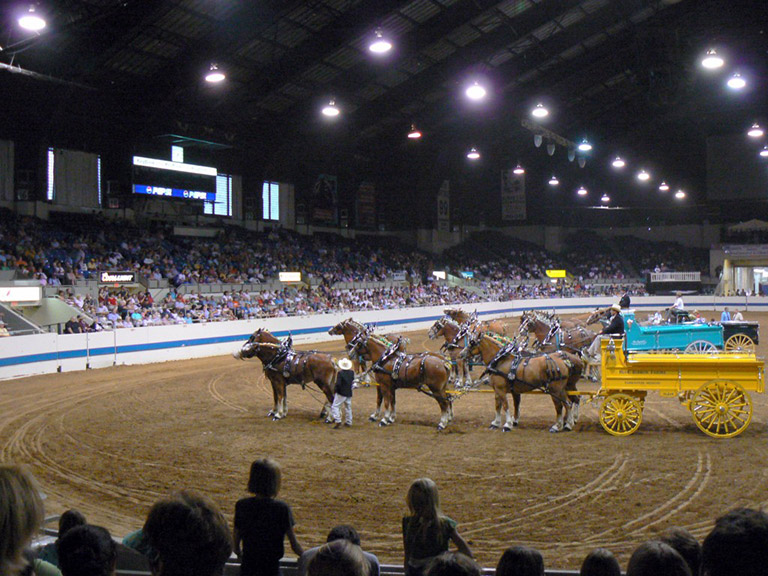
No matter your unique needs, there is a perfect arena sand or equestrian footing option for you. Having the proper footing can provide better traction, increase cushion, improve drainage and reduce overall dust.
The most commonly used equestrian footing is sand based. It tends to be a less expensive option for basic arenas, stables and round pens. Depending on the supplier, the production process can remove unwanted dust and be designed to meet specific gradation for your unique needs. Basic sand may not provide the cushion or traction you need for a horse arena, so it’s important to find a custom formulated arena sand mixture.
As the name suggests, sand applications can be combined with certain additives to provide increased cushion, decreased impact and ease of maintenance. Additives include rubber, wood chips, soil, polymer coated sand, and even some fabrics such as synthetic fibers and felts. All of these materials provide a custom blend that is ideal for your unique needs. However, geotextiles and rubber are two of the most popular to improve footing performance.
Arena footing can include rubber based chips or a type of shredded rubber mulch. Often rubber is blended with proper sand to different ratios according to the manufacturer. This footing option often decreases maintenance needed and reduces the amount of dust. With that being said, it is a more expensive option compared to other footing types. It is also ideal for reducing impact injuries for horses. For areas exposed to large amounts of sun and heat, rubber-based footing can increase the footing temperatures when used as a footing alone. Adding it as a sand based additive can be a great way to gain the low-impact qualities without the negative heat-related downsides.
Geotextile material comes in different types and can even be blended with fiber. It is designed to blend with the sand footing to improve its properties including: additional stability, impact resistance, water retention, increased shear, and compaction prevention. Many competition facilities and professional trainers use geotextile materials incorporated into their arena footing. However, this material is available and affordable to the horse enthusiast. The improvements do come at a cost, but when premium equestrian footing is achieved, there is added value and enjoyment of your arena. Be sure to check with the supplier to make sure your arena drag is compatible with the synthetic additive of your choice.
If you’re looking to replace your current footing, or just starting to plan for a new arena build, River Sand has an application for you. Don’t settle for a low-quality product when you can have one specifically engineered for you. Contact us for more information.
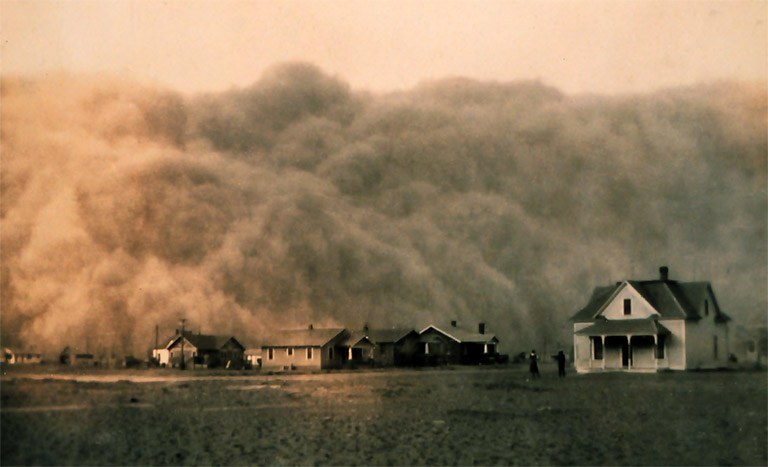
Whether you’re a trainer, rider, or superintendent, you want the arena to be as dust free as possible. The only way to do this is to look to a quality riding arena sand mix or blended equestrian footing. Not only will this keep the facility looking professional, but you’ll also avoid those major health concerns. More than the importance of saving money is the health and well-being of everyone involved in your arena.
The condition of your riding arena sand is critical to the health and safety of your riders (and their horses) In fact, there are many, many reasons to keep the dust at bay. Here are the top five.
No one wants to be exposed to more dust than they have to be. Dust irritates the eyes, throat and nasal passages, exacerbating conditions like asthma. This goes for the horses as well as the riders. Long term exposure can lead to persistent conditions like chronic pulmonary obstructive disease (COPD) or a respiratory disease called silicosis. This is absolutely the number one reason for quality arena sand footing.
The only way to control excessive dust is to water the surface. But too much watering can damage the riding arena sand footing, causing it to puddle more often, take more time to drain properly and ultimately take away from training time. Also, if the footing becomes compromised by overwatering, there’s a higher risk of injury to the horse and rider.
The more dust, the more water it takes to control it. Maintenance costs for a dusty arena are high for this reason. Rather than having a few days of great training, you have to stop midway through the day and water the footing. This takes time, and time is money in equestrian training.
Related to the above issue, you have to pay someone to water the footing, and this isn’t as simple as hosing it down. Since you’ll be using ATVs or other custom sprayers to water the footing, all of which run on fuel, you’ll be spending money on fuel every time you have to water. The more dust in the arena, the more fuel it takes to control it.
That dust has to settle somewhere, and it’s not very picky. On your clothes, on the horse, on the railing, pretty much any available surface will do. That means that once it’s there, you have to clean it. Having a dust-free arena will save you the time and annoyance of maintenance and help you spend more time managing and training horses.
Contact us today to learn more about our riding arena sand and equestrian footing today. We’ve been supplying quality arena products to Gainesville and Atlanta GA and the surrounding areas for 18 years with proven results.
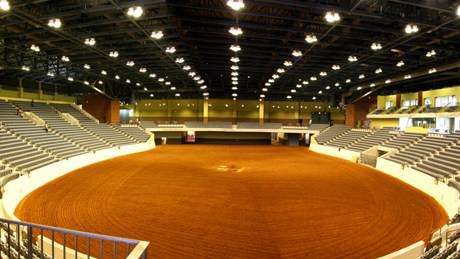
Maintaining your equestrian arena sand is crucial not only to the health of the arena itself but also to the horse and the rider. If the sand is too dry, then dust becomes an issue. However, if it’s too wet, then mud is a worry. Both issues can lead to serious injuries for the horse and rider, so maintenance is essential, especially in changing seasons. Some of these things we can control, but as the seasons change, it becomes necessary to take certain precautions to protect your arena from unpredictable circumstances by keeping it as well-maintained as possible.
As we move from the heat of summer into the winter months, precipitation becomes much more frequent, especially in the South and other regions with more radical climate changes. This also occurs in the change from winter to spring, so the same advice applies.
Wet arenas should be completely off limits. Not only can muddy tracks hurt your horse, but it can also damage the base layer of the footing, causing a major maintenance issue in the long term. To prevent the rain from doing more serious damage, level the footing before it rains to even out the water distribution and prevent major puddles from accumulating. Wait until it’s totally dry before heading back out.
During the winter, it’s best to stay off of the arena footing. If there is even the slightest chance of ice, it’s better safe than sorry. And snow is an obvious given. However, some have found that it’s possible to ride during the winter months by using the right mixture of sand and soil, but this is risky and personal to your arena and climate. Before the winter sets in, a good maintenance tip is to level and smooth out the arena sand to provide consistent drainage and allow the sand to shed the melting snow and ice more easily and efficiently.
Great arenas have great crews — those who pay special attention to different aspects of the arena and associated climates. Proper drainage is essential to maintaining optimal moisture retention, and it should be checked often. A well-maintained arena base can last up to 10 years if cared for properly. It takes a lot of work, but for the health and safety of the horse and rider, it’s completely necessary.
Riversand Inc. is your local expert on great arena sand. We’ve got everything you need to keep your arena looking its best all year long. Give us a call today at 877.499.7263 or visit us online at www.riversandinc.com.
